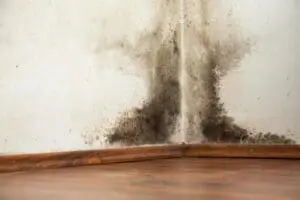
Seattle’s wet climate, glacial till, and clay-heavy soils can put your foundation drainage to the test. Rainwater and groundwater that collects near your home can quickly enter basements and crawl spaces. Without prompt action, this can lead to severe damage, health risks, and discomfort.
PureDry Restoration is an IICRC-certified water restoration company serving King, Snohomish, and Pierce counties. Below, we’ll explain how foundation drainage works, common system types, and ways to keep water away from your home.
What Is Foundation Drainage — and Why Seattle Homes Need It
Foundation drainage actively moves water away from your home’s foundation. A foundation drainage system can include grading, gutters, downspouts, gravel, drainage pipes, and sump systems.
Seattle’s saturated soils make drainage especially important. Dense glacial soils can drain slowly, allowing water to remain near foundation walls for longer periods. The water creates hydrostatic pressure, which can cause seepage and cracks, bowing walls, or damaged mortar joints.
Both crawl spaces and basements are susceptible to different drainage issues.
- Crawl spaces are often impacted by groundwater seepage, vapor migration, and condensation. If you discover water in your crawl space, a vapor barrier, sump pump, or perimeter drainage may be needed.
- Basement water can enter through cracks, window wells, or floor-wall joints. Solutions may include exterior drainage improvements or an interior drainage system, depending on the source.
Types of Foundation Drainage Systems
There are several types of foundation drainage systems for your Seattle home. The right option depends on where the water comes from, your foundation type, property layout, and existing drainage setup.
Exterior Drainage Systems (French Drains and Foundation Drains)
Exterior foundation drainage helps stop groundwater before it reaches the foundation. A typical footing drain uses a perforated pipe surrounded by gravel near the base of the foundation. Filter fabric helps keep soil and debris from clogging the system.
However, exterior systems can require significant excavation when added to an existing home. A qualified contractor should evaluate projects that involve digging around the foundation.
Interior Drainage Systems
An interior foundation drainage system collects water from inside the structure and directs it to a sump pump. The perforated pipe may be installed beneath the basement floor or around the interior perimeter of a crawl space.
Unlike exterior drainage, an interior system manages water after it reaches the foundation. A basement foundation drainage system may be a practical option for existing Seattle homes where exterior excavation isn’t possible.
Surface Drainage and Grading
Surface drainage is one of the simplest ways to keep water away from your foundation. Seattle’s residential code generally recommends that the ground slope away from the foundation at least 6 inches within the first 10 feet.
This allows the ground to direct water away from the foundation rather than pooling beside your home. Gutters and downspouts also help by carrying roof runoff away from the structure.
How to Improve Drainage Around Your Foundation
Here are a few ways to improve drainage around your foundation:
Step 1: Inspect and Correct Your Lot Grade
Walk around your foundation and look at the direction the ground slopes. Ideally, the soil should slope away from the house so rainwater moves outward instead of collecting against the foundation.
Pay attention to low spots where water pools after rain. Soil can settle over time and create areas that direct runoff back toward the house.
Minor grading problems may be corrected with properly compacted soil. Avoid piling soil against siding, sill plates, or other wood components.
Step 2: Extend Downspouts and Clean Gutters
Gutters and downspouts are an important part of proper drainage around a foundation. When they overflow or discharge too close to the house, roof runoff can collect near foundation walls.
Homeowners should:
- Remove leaves and debris from gutters regularly.
- Check that downspouts aren’t clogged or disconnected.
- Extend downspouts away from the foundation.
- Make sure discharged water continues flowing away from the house.
Step 3: Install or Repair a French Drain or Interior System
If grading and downspout improvements don’t solve the problem, you may need a more extensive foundation drainage solution.
The right approach depends on where the water comes from:
- Exterior drainage: Helps intercept groundwater before it reaches the foundation and may be appropriate when exterior excavation is possible.
- Interior drain tile: Collects water that reaches the foundation and directs it toward a sump system.
- Surface swales: Help redirect runoff when water flows across the yard toward the house.
In Seattle, some work involving connections to public sewer or drainage infrastructure may also require permits, so check local requirements before beginning major drainage work.
Common Foundation Drainage Mistakes Seattle Homeowners Make
Even small mistakes can contribute to foundation drainage problems. Here are a few issues to watch for:
- Using mulch to correct the grade: Mulch isn’t a substitute for properly graded soil. It can shift and break down over time, making it unsuitable for correcting the slope around your foundation.
- Ignoring downspouts: Clean gutters won’t help much if downspouts empty directly beside the house. Check the entire system to ensure roof runoff moves away from the foundation.
- Relying on a sump pump alone: A sump pump removes water collected in its basin, but it doesn’t address every source of water intrusion. The drainage system must effectively collect and direct water to the sump.
- Overlooking settled soil: Grading can change over time. Areas that once drained correctly may develop low spots that send runoff toward the foundation.
- Assuming a dry summer means the problem is gone: Drainage issues may be less noticeable during Seattle’s drier periods. Inspecting your drainage before wetter weather returns can help you find problems before water reaches the house
When to Call a Professional for Foundation Drainage Help
Some foundation drainage solutions are simple enough for homeowners to handle on their own. However, if water is already entering your basement or crawl space, the problem may require professional attention.
Consider calling a professional if you notice:
- Water pooling in your basement or crawl space after rainfall
- Horizontal or widening foundation cracks
- White, chalky deposits on concrete walls
- Water stains or repeated seepage along foundation walls
- Wet insulation, framing, or other building materials
- Persistent damp conditions that don’t improve after the rain stops
What a Foundation Drainage Assessment Includes
A drainage assessment can help determine why water is collecting around or entering your home.
A professional may inspect exterior grading, downspout discharge points, existing drains, sump systems, and foundation walls. They may also look for seepage stains or use moisture readings to determine which materials have been affected.
If water has already entered the structure, a professional water damage assessment can help identify the extent of the damage and determine what needs to be restored.
How Drainage Failure Leads to Water Damage
When foundation drainage fails, water may repeatedly reach the basement or crawl space. Over time, building materials can absorb that moisture and become difficult to dry without professional equipment.
Standing water may require emergency water damage restoration, including extraction and structural drying of affected materials.
If you’re already dealing with water in your basement or crawl space, PureDry Restoration provides professional water damage restoration throughout Seattle and surrounding communities.