Hidden water damage is much harder to spot than a leaking ceiling or flooded basement because it often develops beneath finished flooring. In Washington’s wet climate, moisture trapped under floors can remain unnoticed for weeks while damaging the subfloor. This can lead to mold growth and other costly damages if left untreated.
At PureDry Restoration, we’ve inspected and dried water-damaged subfloors throughout King, Pierce, and Snohomish counties. Whether the moisture comes from a plumbing leak, crawl space intrusion, or slab leak, the warning signs tend to follow the same patterns. Here’s what to watch for before minor moisture becomes major structural damage.
What Water Damage Under Floors Actually Looks Like
Unlike surface spills, hidden subfloor moisture usually appears through structural changes, unusual odors, or changes in how your flooring feels. The symptoms can vary depending on the flooring material, but here are some of the most common signs of water damage under floors:
Buckling, Warping, and Cupped Hardwood Boards
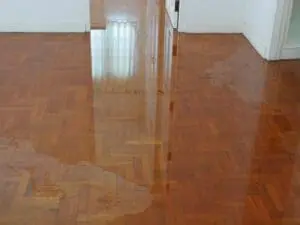
One of the most recognizable signs of wood floor water damage is your floor changing shape. Because wood naturally absorbs moisture, it expands when it becomes wet, and this can turn into:
- Cupping: The edges of the boards rise higher than the center.
- Warping: Boards become uneven or distorted.
- Buckling: Flooring lifts away from the subfloor after prolonged moisture exposure.
Some seasonal movement is normal in Washington’s humid climate, but localized cupping near bathrooms, kitchens, or exterior walls often points to hidden water intrusion rather than humidity alone.
Soft Spots, Springiness, and Squeaking Underfoot
Moisture weakens plywood and OSB panels, causing them to compress under weight. If part of your floor feels soft, spongy, or unusually springy, the subfloor beneath it may have absorbed water.
Sudden squeaking is another warning sign. Swollen subfloor panels shift against the floor joists, creating movement that wasn’t there before. This can cause your floorboards to squeak when you walk across them.
Staining, Odor, and Hidden Mold
Musty odors and unexplained stains can both point to hidden mold growing beneath your flooring. If you notice persistent earthy smells, yellow or dark discoloration near baseboards, or stains that continue to spread, moisture may be trapped below the surface.
Signs of Water Damage Under Concrete and Slab Floors
Concrete doesn’t show water damage the same way wood does. Instead of warping or buckling, moisture beneath a concrete slab often appears through changes in the surface, tile, or indoor environment. If you notice any of the following signs, it’s worth investigating the source before the damage spreads:
- Efflorescence (White Mineral Deposits): A white, chalky residue on concrete or tile that forms when moisture carries minerals to the surface. If it returns after cleaning, there may be hidden moisture under your floor.
- Cracked Tile or Damaged Grout: Moisture beneath the slab can weaken the bond between tile and concrete, causing cracked or loose tiles, crumbling grout, or hollow-sounding spots when tapped.
- Cool, Damp Floors or High Humidity: Floors that constantly feel cool or damp, moist area rugs, or elevated humidity in a single room may indicate groundwater or a hidden plumbing leak allowing moisture to migrate through the concrete slab.
What Causes Water to Get Under Your Floors
Knowing the signs of water damage under your floor is only half the process. Identifying where the moisture is coming from is just as important because drying the floor without fixing the source almost always leads to recurring damage.
Here are some of the most common causes of water under your floorboards:
Plumbing Leaks
Slow plumbing leaks are one of the most common causes of hidden subfloor damage. Toilet wax rings, supply lines, drain connections, dishwashers, and under-sink plumbing can all leak for weeks before obvious symptoms appear.
If you notice a soft spot near a bathroom or kitchen fixture, a hidden plumbing leak should be the first thing you check.
Crawl Space Moisture
In Washington, crawl space moisture is one of the leading causes of hidden floor damage. Standing water or excess humidity beneath the home can slowly soak the subfloor from below without any visible leak inside the living space.
Appliance Failures, Flooding, and Slab Leaks
Leaking water heaters, washing machine hoses, refrigerator water lines, and slab leaks can all allow moisture to collect beneath flooring before it becomes visible. Heavy rain, backed-up drains, and localized flooding can also saturate subfloors within hours, especially in low-lying areas throughout Western Washington.
How Long Can Water Sit Under a Floor Before It Causes Serious Damage?
Water trapped beneath flooring doesn’t evaporate on its own. Without proper drying, moisture continues to soak into the subfloor, increasing the risk of mold growth and structural damage. The sooner the source is identified and addressed, the better the chances of avoiding costly repairs.
The 24–48 Hour Mold Window
According to the EPA, mold can begin growing on wet building materials within 24 to 48 hours when temperatures and humidity are favorable. In Washington’s climate, those conditions are common throughout much of the year, making quick action especially important.
Catching the problem early may mean the flooring can be dried and saved instead of replaced.
When Professional Assessment Is the Right Next Step
If you’ve noticed two or more signs of water damage under your floor, it’s time to schedule an inspection. A professional water damage assessment can determine how far moisture has spread, identify the source of the problem, and help determine whether the flooring can be dried or if repairs are needed.
If active water intrusion is found, emergency water damage restoration can help limit additional damage and reduce the risk of mold growth.
Water Damage Under Floor FAQs
How do I know if there is water damage under my floor?
Can water under a floor dry on its own?
What does water damage under hardwood floors look like?
How do you fix water damage under a floor?
How long does it take for water to damage a subfloor?
Schedule a Professional Water Damage Assessment
Hidden water damage rarely gets better on its own. If you’ve noticed soft floors, musty odors, staining, or other warning signs, a professional inspection can identify the source before the damage spreads.
At PureDry Restoration, we use advanced moisture detection equipment to locate hidden water, assess the extent of the damage, and recommend the most effective restoration plan. Contact our team today to schedule a professional water damage assessment and protect your home from further damage.