Have you noticed water damage on wall surfaces, such as stains, bubbling paint, or soft spots? These are often the early signs of moisture in walls that shouldn’t be ignored. Hidden moisture can lead to mold growth within 24–48 hours, and identifying the problem early can help limit repairs and protect your home.
PureDry Restoration is a Seattle water damage restoration company with hands-on experience identifying and repairing wall water damage. In this guide, you’ll learn the 8 most common warning signs, what causes them, and when it’s time to call a professional.
8 Signs of Water Damage in Walls (and What Each Means)
While every home is different, here are the most common signs of water damage on wall surfaces:
1. Water Stains or Discoloration
Yellow, brown, or copper-colored stains are often one of the early signs of water damage in walls. They typically appear as rings or “tide marks.” While a single stain doesn’t always mean there’s an active leak, recurring stains usually point to ongoing moisture that should be inspected.
2. Bubbling, Blistering, or Peeling Paint
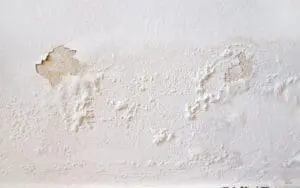
When moisture gets behind painted drywall, the paint begins separating from the surface. Bubbling, blistering, or peeling paint is a common sign of water damage on wall surfaces and often appears before more serious structural damage becomes visible.
3. Warped or Buckled Drywall
Drywall absorbs water quickly because of its gypsum core. As it becomes saturated, it may swell, bow outward, or develop uneven sections. If your wall looks warped or feels swollen, it’s a strong indication of wall damage from water, and replacement may be necessary.
4. Soft or Spongy Areas
Gently press on any suspicious section of drywall. If it feels soft, spongy, or begins crumbling under light pressure, moisture has likely weakened the gypsum core. At this point, drying alone usually isn’t enough, and repairs may be needed to restore the affected area.
5. Musty or Earthy Odors
A persistent musty smell is one of the clearest signs of moisture in walls. Even if you don’t see visible staining, hidden moisture may be trapped inside the wall cavity, allowing mold and mildew to develop.
6. Visible Surface Growth or Discoloration
Dark, green, or white patches on drywall often indicate long-term moisture exposure. What you see on the surface may only be a small portion of the problem. Additional water damage on wall surfaces can remain hidden from view.
7. White Chalky Deposits (Efflorescence)
Efflorescence appears as a white, powdery residue on plaster, masonry, or concrete walls. While the deposits themselves aren’t harmful, they usually indicate ongoing moisture intrusion rather than a one-time leak.
8. An Unexpected Increase in Your Water Bill
Sometimes, the first sign of water damage on wall cavities isn’t visible at all. If your monthly water bill suddenly increases without a change in usage, a hidden plumbing leak inside the wall may be the cause.
Drywall vs. Plaster: Why the Signs Look Different
Both drywall and plaster can suffer wall water damage, but they respond to moisture differently.
- Drywall: Drywall absorbs water quickly through its paper surface. Common signs include stains, bubbling paint, soft spots, and swelling. Once the gypsum core becomes saturated, water damage to wall materials is often severe enough that replacement is the best option.
- Plaster: The signs of water damage on plaster walls tend to develop more slowly. Instead of bubbling paint, you may notice hairline cracks, loose plaster, or white mineral deposits. Because plaster is denser than drywall, it is often dryable and repairable if the moisture is caught early.
Why Wall Water Damage Gets Worse Fast
Many homeowners assume waiting a few days won’t make much difference, but wall water damage can worsen quickly. Repairs become more extensive and expensive as moisture spreads through drywall, insulation, and wood framing.
Here’s what typically happens after water damage on wall surfaces.
Hours 0–24: Absorption Phase
Drywall begins absorbing water almost immediately. The paper face darkens, the gypsum core starts swelling, and paint may begin blistering.
Moisture also spreads into insulation and wooden framing. Wet fiberglass insulation loses much of its insulating ability, while wood studs begin absorbing water and expanding.
At this stage, drywall and framing are often salvageable if professional drying equipment is deployed immediately.
Hours 24–72: Mold Risk Window
According to the EPA, mold can begin growing within 24–48 hours on damp building materials under normal indoor conditions. Even if mold isn’t visible yet, trapped moisture creates the ideal environment for growth.
Wood framing with sustained moisture levels above 19% is also at greater risk of deterioration. In many cases, drywall water damage that remains saturated for more than 48 hours is no longer salvageable under industry restoration guidelines
Days 3–7 and Beyond: Structural and Air Quality Risk
After several days, moisture can spread well beyond the drywall surface. Visible discoloration may appear, wood framing can begin to weaken, and indoor air quality may decline.
If you discover active leaking or rapidly spreading damage, schedule emergency water damage restoration to limit further damage to your home.
Minor vs. Serious Wall Water Damage — How to Tell the Difference
One of the most common questions homeowners ask is whether minor water damage on walls can be repaired without professional help. This depends on how much water entered the wall, how long it sat, and whether the drywall is still structurally sound.
When Minor Wall Water Damage Can Be DIY-Repaired
You may be able to handle the repair yourself if it meets all the following criteria:
- The leak has been completely repaired.
- The damaged area is smaller than 10 square feet.
- The wall has been wet for less than 24 hours.
- There is no musty odor or visible mold growth.
- The drywall is still firm, with no soft spots or crumbling.
When to Call a Water Damage Professional
Professional restoration is the safer choice if you notice any of the following:
- Soft, crumbling, or warped drywall
- A musty odor that persists after drying
- Damage covering more than 10 square feet
- Water exposure lasting longer than 24–48 hours
- Water from a contaminated source, such as sewage
- Damage inside an exterior wall containing insulation
- Moisture affecting multiple rooms or the ceiling-wall connection
Schedule a professional water damage assessment right away if you notice any of these signs.
What Causes Water Damage in Walls (and How to Find the Source)
Finding the source of the leak is just as important as repairing the visible damage. Knowing the most common causes can help you catch problems early and reduce the risk of costly repairs.
The 6 Most Common Sources of Wall Water Damage
- Plumbing leaks inside the wall: Supply lines and drain pipes can develop leaks over time. Stains often appear near bathrooms, kitchens, laundry rooms, or utility spaces. If your water meter continues moving after all fixtures are turned off, a hidden plumbing leak may be present.
- Roof or flashing failure: Stains near the top of a wall or water leaking from the ceiling often point to a roof leak or damaged flashing.
- Window or door leaks: Worn caulking, damaged flashing, or failing weatherstripping can allow rainwater to enter the wall assembly. Damage usually appears below or beside the affected window or door.
- HVAC condensation: Condensation from improperly insulated ductwork or clogged condensate drains can introduce moisture into nearby walls, especially around attic access points and utility rooms.
- Exterior siding or cladding damage: Cracked siding, deteriorating stucco, or missing mortar joints can allow rainwater to penetrate exterior walls. This is especially common in the Pacific Northwest, where homes experience frequent rainfall.
- Foundation moisture intrusion: Homes with basements or slab foundations may experience groundwater intrusion, leading to persistent dampness, mineral deposits, and long-term water damage to wall surfaces.
How to Narrow Down the Source Before Calling a Pro
Before opening walls or starting repairs, take a few minutes to investigate safely.
- Look at where the stain begins. The highest point of the stain is usually closest to the water source because water travels downward and outward.
- Compare the damage to recent weather. If stains worsen after rain, the issue may involve the roof, siding, or windows. If the damage stays the same regardless of the weather, plumbing is often the cause.
- Inspect nearby plumbing fixtures. Check under sinks, behind toilets, around washing machines, and beneath water supply valves for active leaks.
- Know when to stop searching. If you cannot identify the source within a few minutes, avoid cutting into walls yourself. Professional moisture detection equipment can locate hidden leaks while minimizing unnecessary damage.
Contact PureDry Restoration for Wall Water Damage
If you suspect wall water damage, don’t wait for the problem to get worse. Hidden moisture can continue spreading behind drywall even when the surface looks dry, leading to mold growth, structural damage, and more expensive repairs.
At PureDry Restoration, we use advanced moisture meters and thermal imaging to locate hidden water without unnecessary demolition. Once we’ve identified the source, we’ll recommend the best solution to restore your home and prevent future damage.
Contact us today to schedule a professional inspection.